Why developing nations hold the key to the WTO’s digital future


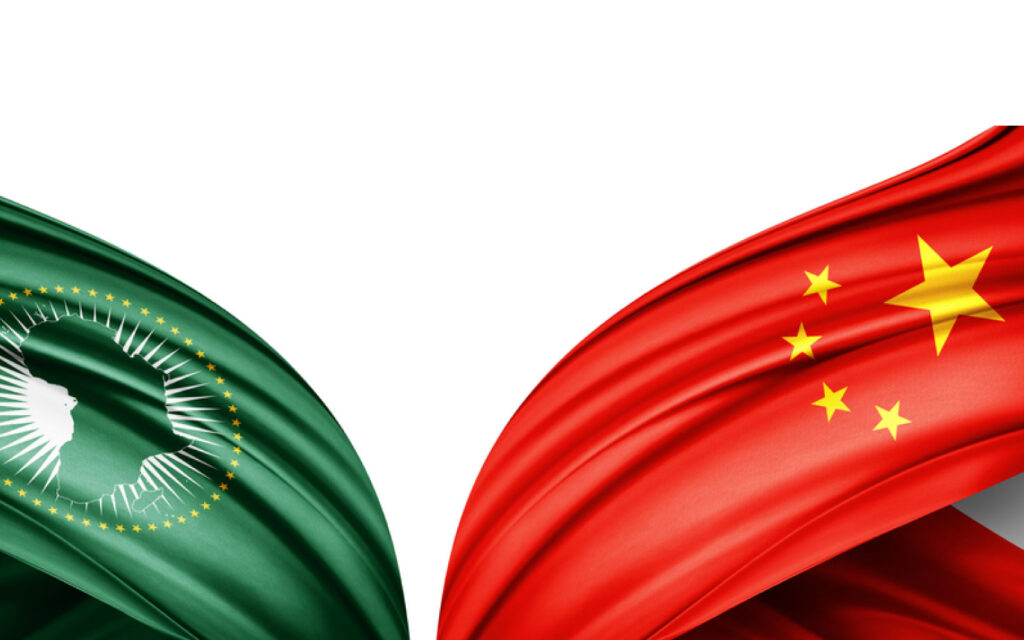
Africa’s industrialization has long been a subject of global interest and debate. As the continent seeks to diversify its economies and create jobs for its rapidly growing population, China has emerged as a major partner. But a critical question remains: Can Africa industrialize without China? This article explores this question through the lens of two of Africa’s most ambitious industrializers—Ethiopia and Kenya—and examines what their experiences reveal about dependency, diversification, and the future of African industrial policy.
Africa’s share of global manufacturing has declined from 3% in 1970 to less than 2% today. Despite decades of growth, much of Africa’s economic expansion has been driven by commodities, not structural transformation. The continent remains heavily reliant on imports of manufactured goods and faces significant hurdles in infrastructure, skills, and capital.
In this context, China has become Africa’s largest trading partner and a major source of infrastructure investment and manufacturing FDI. But this has also raised concerns about dependency and the long-term sustainability of Africa’s industrial path.
Ethiopia has been one of Africa’s most aggressive industrializers. With a state-led development model inspired by East Asian experiences, Ethiopia has prioritized industrial parks, infrastructure, and export-oriented manufacturing.
The Chinese Role:
Results:
But:
Kenya, while also engaging China, has pursued a more diversified industrialization strategy, drawing investment from a wider range of partners including the US, EU, and Japan.
Chinese Involvement:
Diversification Efforts:
Challenges:
The Short Answer:
Yes, but not easily or quickly.
The Long Answer:
Africa can industrialize without China, but only if it addresses structural constraints and builds strategic autonomy.
Key Lessons from Ethiopia and Kenya:
Factor | Ethiopia (China-Heavy) | Kenya (Diversified) |
Infrastructure | China-led | Mixed (China, World Bank, AfDB) |
FDI Sources | China-dominant | Diverse (US, EU, China, Japan) |
Industrial Parks | Chinese-built | Mixed ownership |
Trade Access | Djibouti corridor | Regional + global |
Policy Autonomy | High | High |
Risks | Debt, dependency | Competition, complexity |
To reduce dependency and build resilient industrial economies, African countries must:
Ethiopia and Kenya show that China can be a powerful enabler—but not a substitute—for African industrialization. The lesson is not to reject Chinese investment, but to embed it within a broader, more diversified, and African-led industrial strategy.
Africa’s industrial future will not be built by mimicking China, but by learning from it selectively, engaging it strategically, and building alternatives proactively.
The question is not whether Africa can industrialize without China—but whether it can industrialize on its own terms.
Author:
Analyst in African Development Policy
This article draws on field research, policy reports, and interviews with stakeholders in Ethiopia, Kenya, and China.
Stay connected with IPRA’s quarterly newsletter featuring the latest news, book releases, and original content.
Copyright © 2025 Institute of Policy Research and Analysis. All rights reserved.