Why developing nations hold the key to the WTO’s digital future


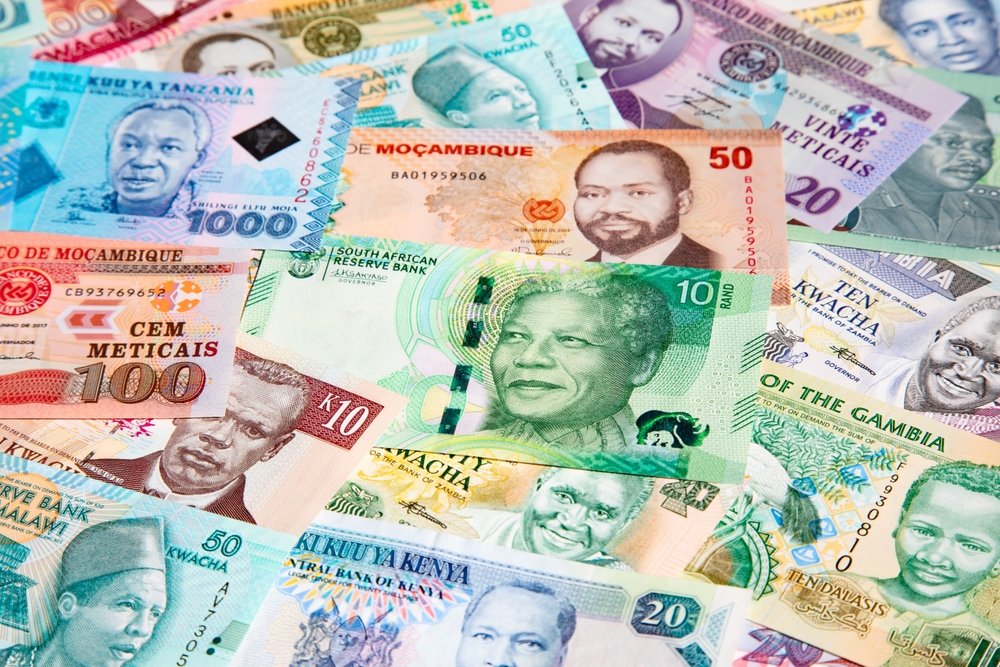
Africa stands on the front lines of a climate crisis it did little to create. Yet, instead of receiving reparations or grants to confront this existential threat, the continent is being offered loans—loans that deepen debt, erode sovereignty, and recycle colonial patterns of extraction and dependency. What is marketed as “climate finance” is, in too many cases, a new form of debt colonialism, one that shackles African economies just as they fight to break free from historical injustice.
In 2009, wealthy nations vowed to channel $100 billion per year by 2020 to help developing countries cut emissions and adapt to climate impacts. That promise has never been fully met. Worse, 71% of the climate finance that eventually arrived came as loans, not grants, forcing already-debt-stressed nations to borrow to fix a crisis caused largely by rich countries’ carbon excesses.
The numbers expose the hypocrisy:
The continent is literally paying to be polluted upon.
When loans run dry, African governments are pushed into carbon-offset schemes under Article 6 of the Paris Agreement. On paper, selling carbon credits allows countries to monetize forests, solar farms or cook-stove projects. In practice, it risks auctioning away their own emission-reduction potential to corporations and countries that have no intention of cutting pollution at source.
Instead of industrializing, the continent is being paid not to develop—a digital-era echo of the plantation economy.
Traditional IMF programs demanded privatization and deregulation. Today’s “green” conditionalities still dictate policy, but now around emission trajectories, energy mix and land use:
The result: policy space shrinks, and development paths are chosen in Brussels or Washington, not Bamako or Windhoek.
Africa’s cumulative carbon footprint is less than 4% of historical emissions, yet the continent faces $1.3 trillion in damage from climate-related disasters by 2030
. ActionAid calculates that rich polluters owe Africa at least $36 trillion in climate reparations—fifty times what African states owe in external debt. Redirecting just one year of this morally due payment could wipe out the continent’s entire foreign debt stock.
Instead, African treasuries transfer $60 billion a year to Western creditors, sacrificing health, education and adaptation in the process.
High debt burdens amplify every climate shock:
Zambia, Ghana and Kenya now spend over half of government revenues on debt service; every flood or failed harvest tips them closer to default.
Piecemeal relief—debt-for-nature swaps, re-profiling, disaster clauses—will not suffice. African leaders, civil-society movements and a growing cohort of economists demand:
Without these shifts, every solar panel installed, every mangrove restored, will simply add another line item to Africa’s debtor balance sheet—and another chain in the new debt colonialism.
Conclusion: Break the chains or repeat the past
Climate change was made in the factories, refineries and overheated consumption of the Global North. Africa’s crime is geographic fate and resource wealth—the same attributes that fueled earlier scrambles for the continent.
If the world is serious about limiting warming to 1.5 °C, it must stop loaning Africa the price of its own survival. True climate leadership means canceling illegitimate debts, paying overdue reparations, and funding Africa’s energy transition as grants, not bait.
Anything less is not climate finance—it is neo-colonial bookkeeping, and Africa is right to refuse the shackles.
References
Arko, T. (2024). Climate finance, debt and economic dependency in Africa. ROAPE.
ActionAid International. (2025). Who Owes Who? External debts, climate debts and reparations.
Tamasiga, P. et al. (2023). Is Africa Left behind in the Global Climate Finance Architecture? MDPI Sustainability.
Without debt relief, Africa is fighting climate change with its hands tied. (2024). African Arguments.
Climate Finance and Debt Distress in Africa. (2025). Afronomicslaw.
Umar, W. (2024). Climate Finance Regime, a Neo-Colonialist Tool? Modern Diplomacy.
Stay connected with IPRA’s quarterly newsletter featuring the latest news, book releases, and original content.
Copyright © 2025 Institute of Policy Research and Analysis. All rights reserved.